
Os Justi Press
The Development of the Liturgical Reform
The Development of the Liturgical Reform
Couldn't load pickup availability
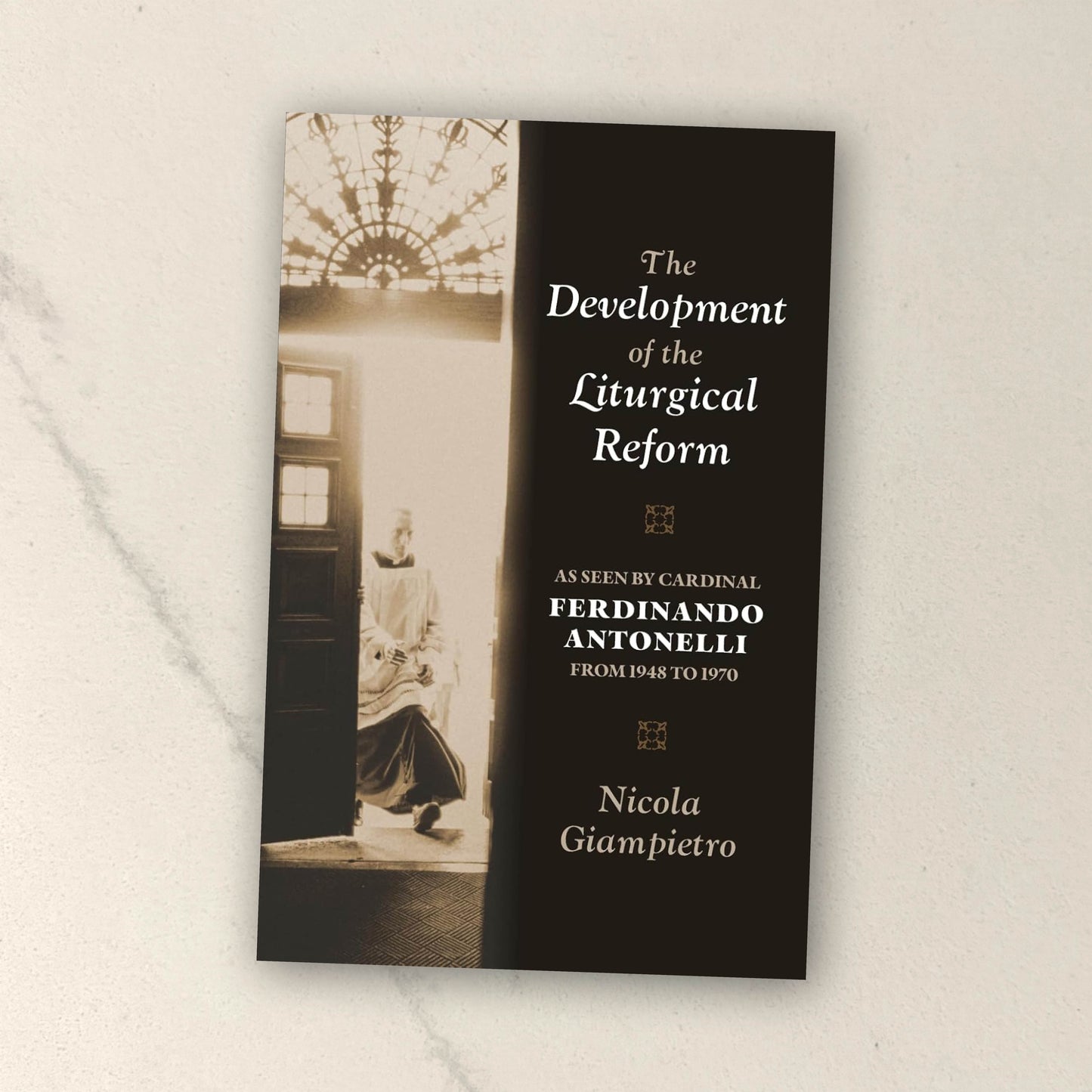
Based on the diaries and notes of Cardinal Ferdinando Antonelli, a pivotal figure in the Catholic Church's liturgical reform movement for over twenty years, Nicola Giampietro's now-classic work reveals many important details about the forceful personalities that drove the process from Pius XII to Paul VI, the systems and methods by which decisions were made, and the competing principles invoked, with at times chaotic results.
PRAISE FOR THIS BOOK
"This book is an important contribution to the study of the liturgical reforms of the twentieth century...because it makes available for the first time in English the papers of Father, later Cardinal, Antonelli, who was one of the protagonists of liturgical renewal in this period. Antonelli embarked with considerable enthusiasm on the reform...and continued to participate in this project until 1970, when he felt that his moderate approach to liturgical renewal was abandoned. In Antonelli's judgement, the lack of sound theological foundations made the Consilium...diverge significantly from the genuine renewal desired by the Second Vatican Council." —Antonio Cardinal Cañizares Llovera, former Prefect of the Dicastery for Divine Worship
"Nicola Giampietro's book presents views that raise questions and provide considerable material for discussion about the liturgical reform before and after the Second Vatican Council." —Joseph Cardinal Ratzinger, La Maison-Dieu (2002)
"Cardinal Antonelli's notes reveal a man of great faith and of the Church struggling to come to terms with some of the inner currents which influenced the work involving the Consilium ad exsequendam Constitutionem de Sacra Liturgia. What he wrote in these diaries reveals quite candidly his feelings of joy as well as of sorrow and at times of fear at the way things were being made to move along, the attitudes of some of the key players and the sense of adventurism which had characterized some of the changes that had been introduced.... Above all, it is a timely study which would help us to see another side of the otherwise over-euphoric presentations of the conciliar reform by other contemporary authors." —Malcolm Cardinal Ranjith, former Secretary of the Dicastery for Divine Worship